Phoenix
Chapter
2025-2026 University of Arizona Scholars
The University of Arizona
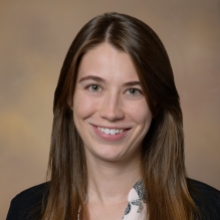
Madeline Dailey
Krepper Family Trust Scholar
- PhD Candidate in Materials Science and Engineering
- BS in Chemical Engineering and MS in Materials Science Engineering from The University of Arizona
- Madeline’s research interests are in the field of radiation-sensitive glass engineering with applications to satellite technologies. She is working to enhance the radiation response of novel tin-doped silica glass and to create optical devices that function as highly sensitive real-time radiation detectors. Her research involves investigating the change in optical properties induced by ultraviolet and gamma radiation sources and characterizing the underlying structural defects responsible for the magnitude and spectral nature of the radiation response. Madeline’s research interests and efforts will improve understanding of radiation-matter interactions and enable further optimization of materials for terrestrial and space-based environmental sensing.
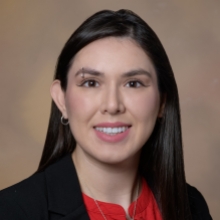
Keila Espinoza
ARCS Scholar
- PhD Candidate in Physiological Sciences
- BS in Physiology and MS in Physiological Sciences from The University of Arizona
- Keila aims to determine the role of lipid metabolism in immune cells in inflammatory bowel disease (IBD). Her research leverages multiple model systems to investigate the full impact of this work. Also, her work seeks to untangle sex differences in disease progression and therapeutic response. She has unveiled how immunometabolism, specifically sphingolipid metabolism, may be a potential therapeutic target in correcting inflammatory responses. This work may lead to new therapeutic approaches for IBD and colorectal cancer.
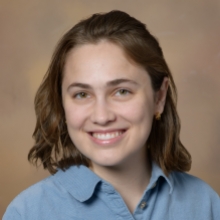
Maria Mutz
ARCS Scholar
- PhD Candidate Physics
- BS in Electrical Engineering from Northwestern University; MS in Physics from The University of Arizona
- Maria uses computer simulations to model the structure, dynamics, and evolution of neutron stars so we can better understand the light and other signals we observe from them. These stars are left over from supernova explosions, and they contain the densest matter and strongest magnetic fields in the entire universe. Studying them can help us understand many mysteries in fundamental physics and the history of the universe as well as help us build novel technologies for deep space navigation and observations.
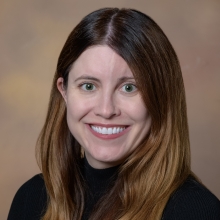
Kama Svoboda
Crawford Scholar
- PhD Candidate in Electrical and Computer Engineering
- BS and MS in Electrical and Computer Engineering from The University of Arizona
- Kama’s research focuses on creating sustainable, brain-inspired artificial intelligence (AI). She is developing Spiking Neural Networks using cutting-edge hardware called Antiferromagnetic Tunnel Junctions, which offer significant advantages in speed, size, and energy efficiency over conventional AI. By co-designing these systems in collaboration with materials scientists, Kama aims to reduce AI’s environmental impact without compromising performance. Her work has the potential to advance real-world AI applications—from medical devices to autonomous systems—for a future where technology and sustainability go hand in hand.
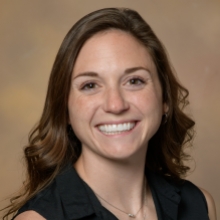
Kayleigh Berthiaume
Anne Spychala Family Scholar
- PhD Candidate in Biomedical Engineering
- BS in Microbiology and Physiology from The University of Arizona; MS in Physiology from Boston University
- Kayleigh’s research uses a biomedical engineering approach to investigate molecular changes following an asthma exacerbation (attack). Asthma is a progressive and potentially fatal disease linked with decreasing levels of CC16, a crucial and abundant protein in the lungs. CC16 is an antioxidant anti-microbial, and modulates respiratory epithelial cell metabolism. We investigate how bronchoconstriction affects CC16 levels and how low levels lead to respiratory epithelial cell metabolic dysfunction. Elucidating the role of CC16 in asthma is critical for developing future drug therapies to prevent deadly exacerbations and modify the chronic progression of this disease.
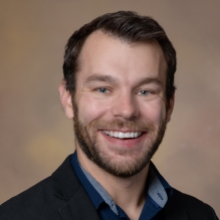
Nathan Hadland
The Marley Foundation Scholar in Memory of Milton "Bud" Webb
- PhD Candidate in Planetary Science
- BS in Astrobiology from the Florida Institute of Technology; MS in Planetary Science from The University of Arizona
- Nathan’s research explores microbial life in volcanic environments as a model for potential life on Mars. By combining fieldwork in extreme environments, advanced DNA sequencing, and bioinformatics, his work informs future life-detection missions and biotechnology applications. He earned his MS in Planetary Science from the University of Arizona and a BS in Astrobiology from Florida Tech. Through a Department of Defense graduate fellowship, he is also committed to advancing national security and science through research and outreach in the growing field of astrobiology. In the future, he aims to lead research bridging microbiology and planetary science.
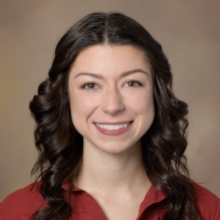
Katie Hoover
Anne Taylor Kunkel Scholar
- PhD Candidate in Cellular and Molecular Medicine
- BS in Biochemistry from Mansfield University of Pennsylvania
- Katie studies structure-function relationships in the giant myofilament protein titin. Titin is part of the contractile apparatus of cardiac and skeletal muscle and plays roles in muscle structure, elasticity, and signaling. The goal of Katie’s research is to identify how titin’s C-terminal regions contribute to muscle structure and disease, with a particular emphasis on muscle atrophy.
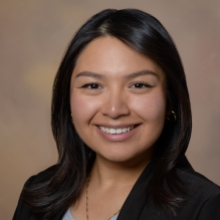
Priscilla Martinez
Horejsi Charitable Foundation Scholar
- PhD Candidate in Geosciences
- BS in Geology from California State University; MS in Geology from California State University, Northridge
- Priscilla is interested in the interactions between tectonics, climate, and biological evolution throughout Earth’s history. Her research combines field work and laboratory analyses to study the relationship between ancient Andean volcanism, harmful algal blooms, paleo-tsunamis, and the mass deaths of marine mammals along the coast of northern Chile. She is motivated by the knowledge that the world needs Earth scientists, along with global citizens who understand Earth processes, to tackle the major societal challenges of mitigating natural hazards and managing ecological habitats, including those of humans.
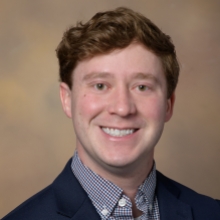
Will McLean
ARCS Scholar
- PhD Candidate in Neuroscience
- BS in Neuroscience from the University of Alabama at Birmingham
- Will investigates risk factor contributions to Alzheimer’s Disease (AD), focusing on aging, female biological sex, and APOE genotype in novel animal models of late-onset AD risk. He examines cognitive, metabolic, and inflammatory changes in these models, using single-nuclei RNA sequencing to more specifically explore estrogen deficiency’s impact upon brain cells and biological pathways associated with the menopausal transition. By identifying vulnerable cell populations and pathways in this translationally relevant manner, my work aims to bridge preclinical targets with individual risk profiles, ultimately contributing to the urgently needed future of precision medicine for AD.
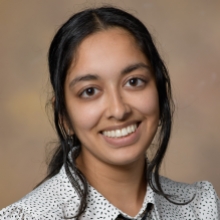
Anu Sethuraman
Carlson Foundation Scholar in Honor of Founding Member Elizabeth Culley and Peter Culley
- PhD Candidate in Environmental Science
- BS in Environmental Systems and BA in Urban Studies and Planning from the University of California San Diego
- Anu conducts research with Indigenous and rural communities to better understand and combat environmental justice issues in the Mountain West. Currently, she is leading a project to investigate groundwater quality in a rural Arizona community affected by legacy uranium mining. Through the project, Anu combines isotope hydrology and geochemistry with community-based methodologies. This unique approach strengthens the link between scientific data and community knowledge, action, and interventions, ultimately working to ensure local resilience moving into an uncertain climate and water future.
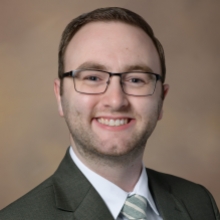
Aaron Larsen
Ponce Scholar
- PhD Candidate in Applied Mathematics
- BS in Applied and Computational Mathematics from Brigham Young University; MS in Applied Mathematics from The University of Arizona
- Aaron's research focuses on modeling the thermochemical non-equilibrium behavior of gas particles at hypersonic speeds by simulating the population of each vibrational state to describe the energy transfer. His research works to make molecular collision rate data from different energy surfaces self-consistent to allow for more complete simulations. This increased understanding of the hypersonic gas dynamics will help the modeling of re-entry vehicles into planetary atmospheres as gas interactions with the vehicles' surfaces can be better understood.
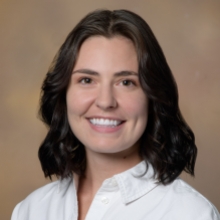
Dilara Long
Margaret "Peg" Moseley Scholar
- MD-PhD Candidate in Biomedical Engineering
- BA in Physics and Philosophy from Virginia Tech
- Dilara is an MD-PhD student in Biomedical Engineering and an aspiring physician-scientist in interventional radiology. Under the mentorship of Dr. Jennifer Barton, her work focuses on developing miniature optical endoscopes which enable high-resolution visualization of tissue microstructures, particularly in the fallopian tubes. Her research aims to advance diagnosis and understanding of diseases affecting women, including ovarian cancer, endometriosis, and infertility.
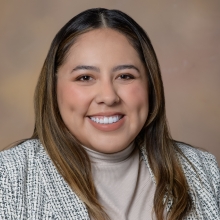
Catherine Vasquez
Sandra and Ralph Matteucci Endowment Scholar
- PhD Candidate in Cellular and Molecular Medicine
- BS in Physiological Sciences from The University of Arizona
- Catherine’s research focuses on investigating the efficacy of small molecule Z06 in treating a heart disease known as Dilated Cardiomyopathy (DCM). She will use the transgenic mouse model of a missense mutation to test if Z06 can improve heart function by correcting the structural changes seen in this mutation. She hopes her research can further therapeutic development of heart disease by targeting structural changes at the protein level.
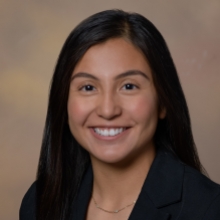
Daisey Vega
Van Denburgh Scholar
- PhD Candidate in Biomedical Engineering
- BS in Kinesiology and MS in Engineering Technology from the University of Houston
- Daisey’s current work investigates how a muscle-tendon unit absorbs energy during lengthening in situ and how muscle-tendon units help with movement stabilization in the presence of unexpected perturbations in vivo. Overall, she takes an interdisciplinary approach to research which is crucial to the fundamental understanding of human movement in the real world and in developing innovative solutions to overcome barriers that limit mobility in individuals with neurological and physical impairments.
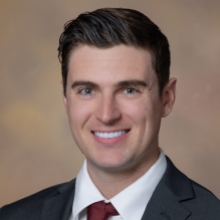
Ryland Wala
Kathryn Johnston West Scholar
- PhD Candidate in Optical Sciences
- BS in Physics from Arizona State University; MS in Optical Sciences from The University of Arizona
- Ryland's research specializes in high-resolution spectroscopy of laser-produced plasma. These laser plasmas tell us about the chemistry that occurs in certain environments as well as providing a method for material identification. This potentially can act as a powerful tool for isotopic identification in nuclear forensics or for material identification in the mining industry.
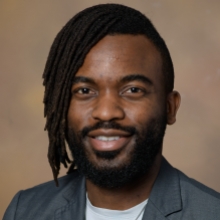
Ateh Zinkeng
Plenge Endowment Scholar
- PhD Candidate in Cancer Biology
- BS in Medical Laboratory Science from the University of Buea, Cameroon; MS in Applied Biosciences from The University of Arizona
- The prevalence of metabolic dysfunction-associated steatotic liver disease (MASLD), a metabolic condition characterized by excessive fat accumulation in the liver, is at an all-time high. MASLD affects approximately 100 million Americans and 2 billion people globally, making it the fastest-growing cause of hepatocellular carcinoma (HCC). These rising rates parallel the increasing consumption of dietary fat, sugar, and artificial sweeteners, highlighting the urgent need to understand how dietary factors interact with genetic variants to influence HCC susceptibility. Ateh’s research goal is to elucidate the macromolecular interactions driving this chronic liver disease and identify novel therapeutic strategies to prevent its progression to HCC.
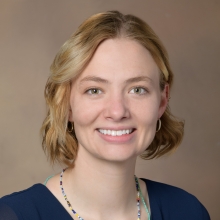
Anna Roche
Mary Ann White Memorial Scholar
- PhD Candidate in Physics
- BS in Physics from the University of Washington
- Anna’s research focuses on nanoscale optical imaging of 2D transition metal dichalcogenide (TMD) semiconductors for eventual use in industry and technological applications. Joining the UA scientific community, responsible for such strong, interdisciplinary research, has been an instrumental step towards her goal of remaining in academia and one day leading her own research group.
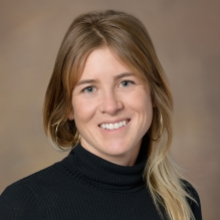
Holly Thomas
Theresa F. Jennings Memorial Scholar
- PhD Candidate in Geosciences
- BS in Geoscience from the University of Maine; MS in Climate Science from The University of Arizona
- Holly is studying the evolution of large-scale atmospheric circulation under climate change. Her research examines the rate and regional characteristics of tropical expansion, focusing on how shifts in atmospheric and oceanic heat transport influence the position of the climatological tropics' edge. By improving hydrological and climatological predictions, her work aims to better equip subtropical populations for the regional impacts of climate change.